Teacher training · 2 November 2026 · 4 min read
What to Expect in a 200-Hour Yoga Teacher Training in Dubai
What really happens in a 200-hour yoga teacher training in Dubai: the daily schedule, what you study, teaching practice, the exam, and how to prepare.
A 200-hour yoga teacher training in Dubai is roughly three months of practice, study and supervised teaching that ends with a practical and written assessment. You deepen your own practice, learn anatomy and philosophy, and, most importantly, learn to teach a safe, confident class. When you graduate from a Yoga Alliance Registered Yoga School, you can register as an RYT 200.
Here is what the journey looks like from the inside, based on more than 610 teachers we have trained in Dubai since 2009.
Before you start
Most people arrive with two worries: "Am I flexible enough?" and "Will I be able to keep up?" You don't need advanced poses. You need a regular practice (ideally a few classes a week for some months) and the willingness to be a beginner again.
Before day one, it helps to:
- Practise consistently, two to four times a week
- Start a simple notebook for questions and reflections
- Plan your weeks: time for reading, assignments and your own practice between sessions
- Tell your family or manager what you are committing to, so the time is protected
If you are unsure, start with a short foundation course first. Ours is a free 10-hour Yoga Foundation course.
A typical training day
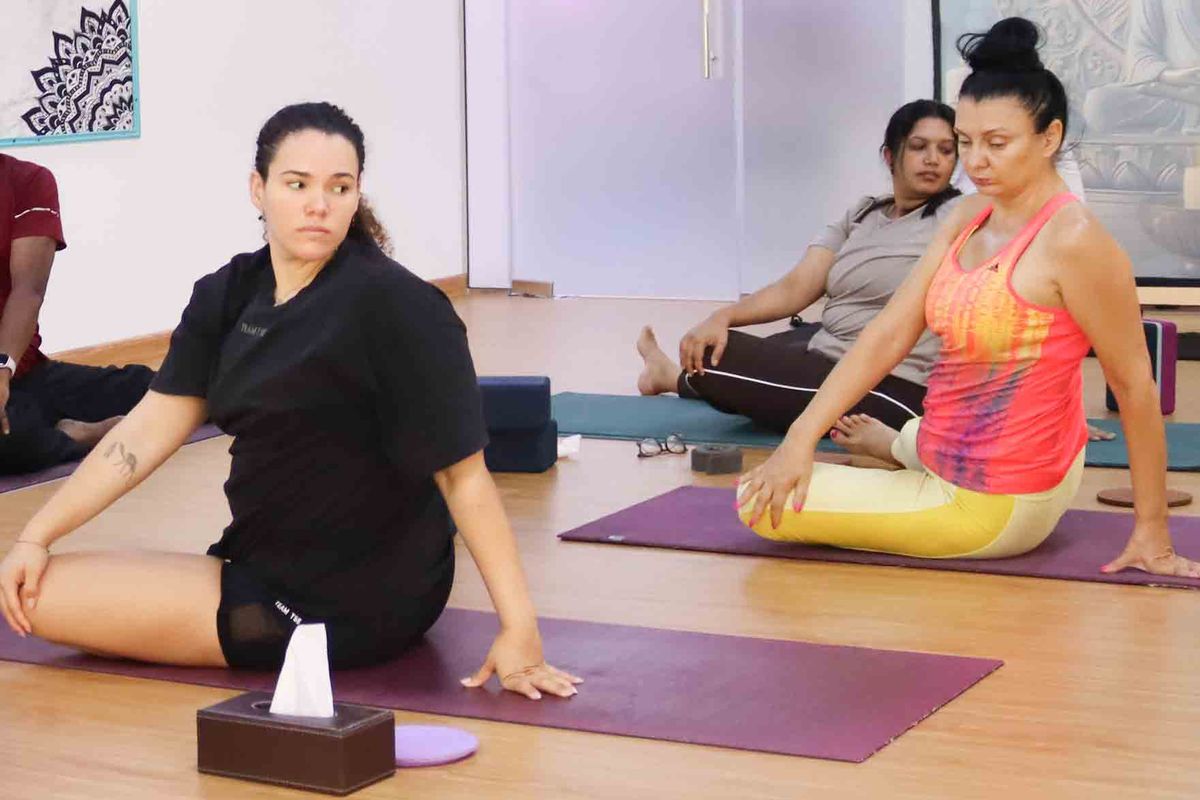
Every school is different, but a well-structured day usually includes:
- Morning practice: Hatha or Vinyasa, pranayama and meditation
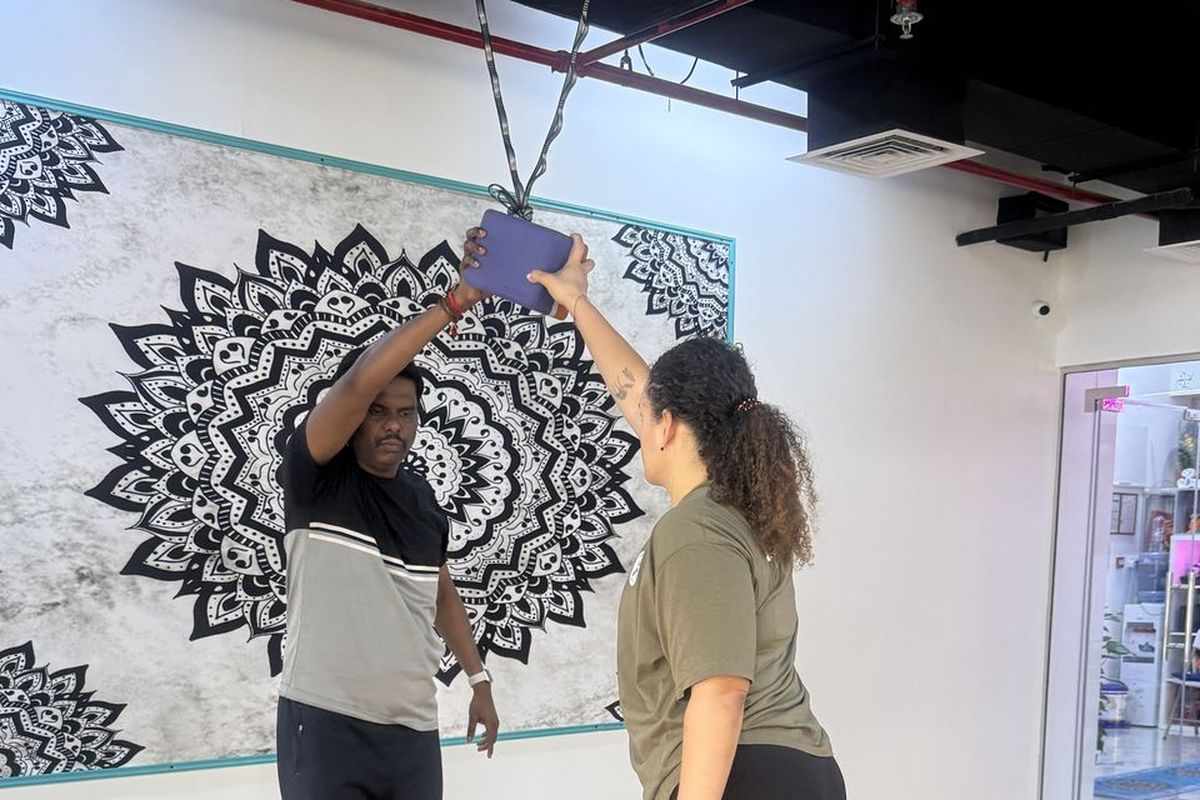
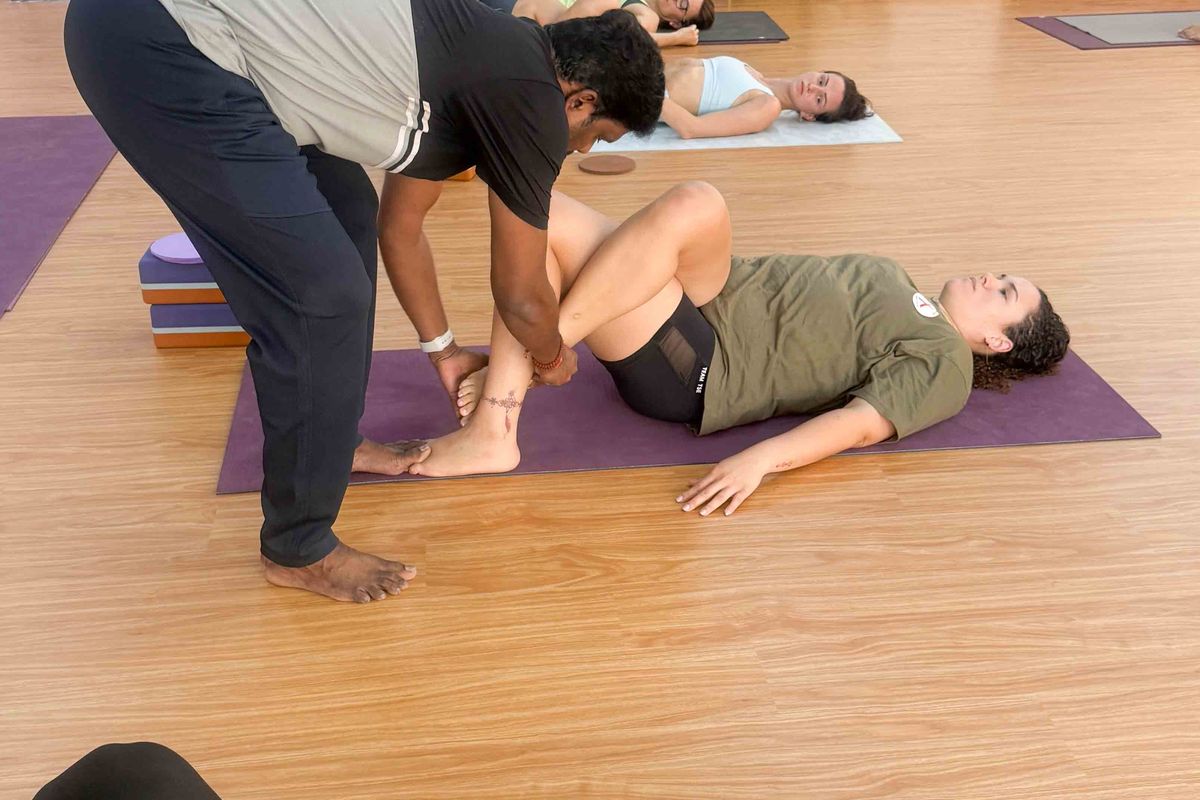
- Technique lab: alignment, cueing and safe adjustments for the day's poses
- Theory: anatomy or philosophy, at our studio taught alongside Ayurveda and the Yoga Sutras
- Teaching practice: you teach in small groups and receive feedback
- Home study: reading, assignments and your own practice between sessions
In our training, weekday sessions run in the mornings, and weekend sessions run from 10 am to 5 pm with a lunch break.
What you study
The 200 hours are split across a few core areas.
Techniques, training and practice
The poses, breathwork and meditation you will teach: how each pose works, its common mistakes, modifications for different bodies and how to build up to it safely.
Teaching methodology
How to cue clearly, demonstrate, observe, correct and hold the attention of a room. This is the skill most new teachers underestimate.
Anatomy and physiology
Practical anatomy: joints, the spine, the breath, and how to protect knees, lower backs, shoulders and wrists. At Thousand Petaled Lotus, anatomy is taught with an Ayurvedic lens, so you also understand different body types and energies.
Philosophy, ethics and lifestyle
The Yoga Sutras of Patanjali, the eight limbs, and the ethics of being a teacher: boundaries, consent and how to speak to every student with respect.
Practicum: you teach
From short sequences in your first weeks to a full class by the end. Expect nerves at first. They fade quickly when you practise with feedback.
The first weeks, the middle and the end
Weeks 1–3: everything feels new. Your body is tired, your notebook is full and the Sanskrit names are overwhelming. This is normal.
The middle: it starts to connect. Anatomy explains why a cue works. Philosophy changes how you hold a class. You teach your first longer sequences.
The final weeks: you become a teacher. You plan and lead full classes, receive detailed feedback and prepare for the assessment. Most students are surprised by how much they have changed.
How you are assessed
Expect a practical teaching assessment, where you lead a class you have planned, and a written or oral exam on anatomy, philosophy and methodology. There is also attendance: to graduate, you need to complete the full 200 hours. At our school, if you miss a session, you can catch up on our digital platform, in a parallel batch or in a later batch.
What you graduate with
- A certificate qualifying you to register as RYT 200 with Yoga Alliance
- Eligibility to register with REPs UAE, which most gyms, hotels and studios in the UAE look for
- The skills to teach Hatha and Vinyasa classes, pranayama and meditation
- At our school, a free Yin Yoga or Meditation certification after graduation, and access to our alumni community
Read our guide to what you can do with your certificate in Dubai.
Choosing your format
| Format | Best for | Schedule |
|---|---|---|
| Weekday | Free mornings, faster finish | Monday to Friday mornings |
| Weekend | Working professionals | Saturday and Sunday, 10 am – 5 pm |
| Hybrid | Cabin crew and shift workers | Choose your days each week, start any time |
You can compare current dates and fees on our RYT 200 page.
Frequently asked questions
How many hours a week should I plan for?
Plan for the contact sessions plus a few hours a week of reading, assignments and your own practice.
What if I get injured or ill during the course?
Tell your lead trainer early. You can usually observe sessions, adapt your practice and catch up on missed modules later.
Will I be ready to teach straight away?
You will be ready to teach a safe, well-structured class. Confidence grows quickly when you start teaching regularly, which is why mentoring after graduation matters.
Can I visit before I enrol?
Yes. WhatsApp us to sit in on a live teacher-training module for free and meet Dr. Kasi in person.
Train with Dr. Kasi
Yoga Alliance RYT 200 in Dubai
Weekday, weekend or Hybrid for cabin crew and changing schedules. Compare all our yoga teacher training courses in Dubai, or read the yoga certification guide.